Himalayan Shilajit Supplier for Canada and Australia
Published 2026-10-25 · Updated 2026-10-25
Choose a shilajit wholesale supplier for Canada with guidance on Pakistan sourcing, resin samples, private label planning and Australian importer briefs.
A shilajit wholesale supplier for Canada should be evaluated through a clear product specification and a reviewable evidence file. The same approach supports an Australian importer assessing a proposed resin or wider shilajit range. The Nectar Energy is a Pakistan-based supplier/exporter. Start through the B2B enquiry page with your destination, product format, and intended channel so the discussion begins with the goods you need to evaluate.
This guide connects resin selection, sample handling, laboratory evidence, private label preparation, and receiving records. Canada and Australia are considered equally, with separate destination reviews wherever the buyer's requirements differ. A bulk shilajit resin importer in Australia and a Canadian distributor may share a sample format while needing distinct artwork and document decisions. Keep those decisions visible from the start rather than trying to reconstruct them when dispatch planning begins.
Define the Canadian or Australian Importer Project
State which business will receive the goods and who will review the intended product presentation. A distributor may begin with a catalogue reference and warehouse process. A private label brand may begin with artwork and a launch plan. A specialist retailer may need a sample that can be compared with its listing text. Explain the channel so the supplier can answer the practical questions behind the enquiry.
For Canada and Australia, use separate destination records with a named consignee and reviewer. If the project covers both, identify which specification details are shared and which need individual review. Do not carry a decision from one destination into the other without checking its relevance. A single brand name can sit above separate product files and destination instructions.
Describe the stage of the project honestly. If the format is undecided, ask for a comparison of the proposed presentations. If artwork exists, identify its revision and whether it has been reviewed for the intended channel. If a sample is required before any pack decision, say so. The supplier can then distinguish an exploratory discussion from a brief ready for a written order specification.
Choose Resin, Drops, or a Powder Pouch
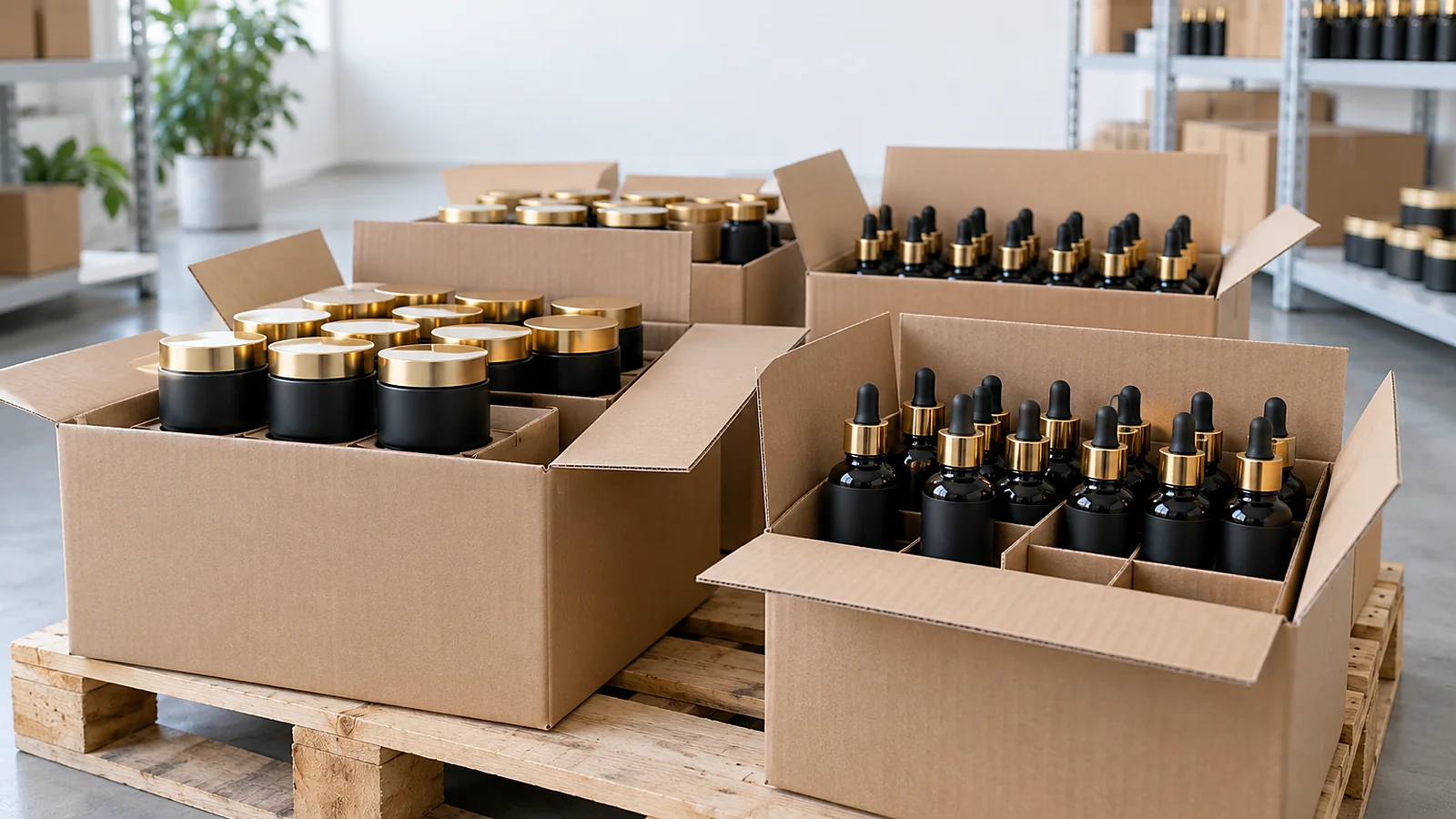
Use the shilajit category to understand the range, then review Himalayan shilajit resin as a distinct product reference. The range includes resin, liquid drops, and powder. Resin uses a sealed glass jar, drops use a dropper bottle, and powder uses a resealable food-grade pouch. Identify the format in full rather than relying on a shortened product name in correspondence.
For resin, request a filled presentation sample showing the opening, closure, label area, and coding position. Record its identifying information before sharing it among reviewers. For drops, assess the bottle and closure together. For powder, examine the pouch seal and resealable opening as separate features. A sample assessment should describe the actual presentation, with photographs attached to the written observations.
A private label shilajit enquiry with a Pakistan exporter should distinguish product selection from visual branding. First identify the proposed goods, then connect the pack template and artwork to that reference. If the format changes during the discussion, review the sample and document questions again. A design prepared for one presentation should not be treated as a complete specification for another.
Check the Shilajit Evidence Without Extending It
The documented Himalayan shilajit finding is from PCSIR Laboratories, dated 18-09-2026: heavy metals not detected in the tested sample. This statement concerns the reported sample and examination scope. It does not establish the same result for every format or future shipment. Ask for the available report and a written explanation of how the proposed goods relate to the referenced sample.
Use the quality evidence page to organise that request. Preserve the full document, including its laboratory identity, sample description, date, and relevant notes. A short result line is easier to repeat than a complete report, but the complete record is what lets another reviewer understand its limits. Keep the supplier's response about the proposed order beside the report rather than treating it as an unrelated email.
For shilajit powder, documentation is confirmed per order through quality documentation enquiries. Do not infer a powder finding from the resin discussion. If the buyer needs further evidence for any proposed format, name the request and the reviewer responsible for assessing the response. Record unresolved points explicitly so a later handover cannot turn a document request into an assumed result.
Prepare Private Label Artwork and Pack Decisions
The private label shilajit guide for importers offers a useful framework for sample and artwork questions. Apply that framework to your own Canada or Australia project, with a separate destination review for the actual goods. An earlier guide is background reading; it is not evidence that a new pack or label has been assessed for your receiving business.
Ask for the proposed container template and identify the artwork owner before design work is finalised. The reviewer should check product naming, language, responsible business details, coding space, and the relationship between label text and the intended listing. Keep factual supplier information with the artwork file so the designer does not have to invent missing product details. Return one clearly named revision for confirmation.
Review a filled sample with the proposed carton arrangement. Photograph the closure, label panels, and pack identifiers. For powder, keep the resealable food-grade pouch specification attached to the artwork rather than borrowing a resin container description. If a change affects the closure or print surface, revisit the relevant design decision. Mark superseded files clearly so the packing team works from the agreed reference.
Build the Document and Receiving Handover
List the records the receiving business wants to inspect, including any available product, origin, and laboratory documentation relevant to the proposed goods. Ask the supplier to confirm availability for each requested item. Some questions may require further clarification before a response is possible. Keep these open items alongside the specification instead of hiding them in a separate conversation thread.
The importer and its appointed adviser should review the requirements for the destination, route, product, and presentation. Supplier information supports that review without settling it automatically. Keep the consignee name, product descriptions, sample references, and packing information consistent across the working file. Resolve discrepancies before the records are handed to another team, and preserve the written correction with the version it replaces.
Prepare receiving criteria before dispatch planning is closed. The warehouse reviewer should know which product and presentation to expect, where to find identifying information, and which documents belong with the goods. Include carton condition, closure condition, legible coding, and the agreed pack reference. Give discrepancies a clear reporting route with photographs and the relevant product identifier so the supplier can examine the same facts.
Submit a Shilajit Brief That Supports a Decision
A useful final brief allows the supplier to respond line by line. Name the shilajit format, destination, receiving business, intended channel, sample reference, artwork revision, and evidence needs. If the order combines formats, keep separate product lines rather than asking the recipient to infer which pack details apply. Explain the receiving window and any unresolved review steps that affect the project sequence.
Ask for a written proposal connecting the product to its presentation and document status. Compare it with the sample record and identify any changed assumptions. When a Canadian or Australian reviewer asks for another detail, add it to the shared decision record and name the person responsible for the next action. This helps keep the conversation focused on evidence and agreed specifications.
Retain the completed file for receiving inspection and future enquiries. It should include the approved sample reference, photographs, artwork, supplier correspondence, and the documents actually supplied. For a repeat discussion, ask which details remain current rather than copying the earlier record without review. Product identity and evidence scope still need to be clear even when the buyer and supplier have worked through the process before.
Use a final comparison sheet to connect the selected format with the sample photograph, artwork revision, and document response. Have the buyer's reviewer confirm that those references describe the same proposal. If the records point to different presentations, pause that decision and ask which reference governs the order. Resolving the discrepancy at this stage gives the receiving team a clearer expectation and preserves a useful record for the next enquiry.
Request a B2B quote: send your product brief through For Businesses or contact The Nectar Energy about your B2B enquiry. Include the destination, product identity, intended channel, sample needs, artwork status, requested documents, and receiving window. Ask for a written reply identifying confirmed details, open questions, and the next decision.
Questions
Which shilajit formats can Canada and Australia buyers discuss?
The range includes Himalayan shilajit resin, liquid drops, and powder. Resin uses a sealed glass jar, drops use a dropper bottle, and powder uses a resealable food-grade pouch. Identify the format in the enquiry and request a sample matching the proposed presentation.
What is the documented Himalayan shilajit finding?
PCSIR Laboratories reported heavy metals not detected in the tested Himalayan shilajit sample, dated 18-09-2026. Read that finding with the full report and its scope. Ask how the offered goods relate to the sample instead of assuming the result extends to every shipment.
Can one private label brief cover Canada and Australia?
It can contain a shared brand and product overview, but keep destination, consignee, wording review, and document requests distinct. Record which decisions are shared and which apply to one receiving business. Revisit affected decisions if the destination or presentation changes.
How should shilajit powder documentation be requested?
Documentation for shilajit powder is confirmed per order through the quality page. Identify the proposed powder and its resealable food-grade pouch presentation, then ask for the relevant available records. Do not infer a powder result from a report about another sample or format.
What information belongs in the first shilajit enquiry?
Include the destination, receiving business, format, intended channel, sample needs, artwork stage, document questions, and receiving window. Use For Businesses to begin the discussion and request a written response that identifies the proposed specification and any details still awaiting review.